Managing respiratory health requires more than just equipment; it requires reliable information and high-quality technology. If you are looking for an oxygen concentrator in Melbourne, understanding how these devices provide life-sustaining medical oxygen is the first step toward better mobility and health outcomes.
This comprehensive guide covers everything from technical specifications and Medicare requirements in Australia to choosing the right unit for the Victorian climate.
What is an Oxygen Concentrator?
An oxygen concentrator is a medical device that pulls in ambient air, compresses it, and filters out nitrogen to deliver a concentrated flow of oxygen to a patient. Unlike traditional oxygen tanks, which have a finite supply and require refills, a concentrator creates a continuous supply as long as it has power or battery life.
How Medical Oxygen Generation Works
The air we breathe is approximately 78% nitrogen and 21% oxygen. To produce medical oxygen levels (typically 90% to 95% purity), the device uses “Pressure Swing Adsorption” (PSA) technology.
- Intake: The machine draws in room air.
- Compression: An internal compressor increases the air pressure.
- Filtration: The air passes through a molecular sieve (zeolite), which traps nitrogen molecules.
- Delivery: The purified oxygen is delivered to the user via a nasal cannula or mask.
Types of Oxygen Concentrators Available in Melbourne
Choosing the right device depends on your lifestyle and the flow rate prescribed by your respiratory specialist or GP.
1. Stationary (Home) Oxygen Concentrators
See more: Troubleshooting Common CPAP Problems: Tips for a More Comfortable Sleep
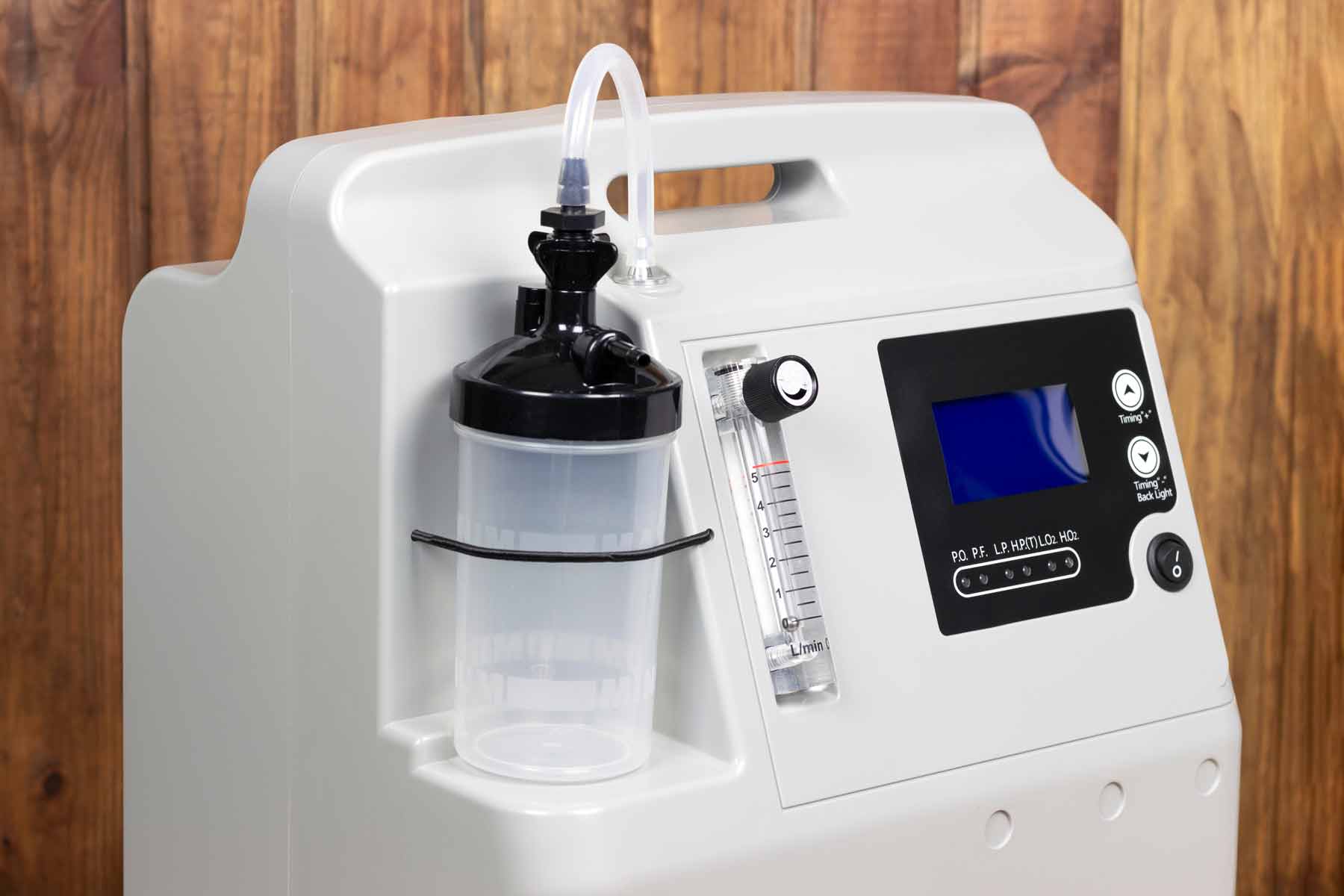
These are the workhorses of home therapy. Designed for 24/7 use, they are larger units that plug into wall outlets.
- Flow Rates: Typically 5 to 10 Litres Per Minute (LPM).
- Best for: Patients requiring high flow or continuous use during sleep.
- Advantage: Most reliable for long-term clinical stability.
2. Portable Oxygen Concentrators (POCs)
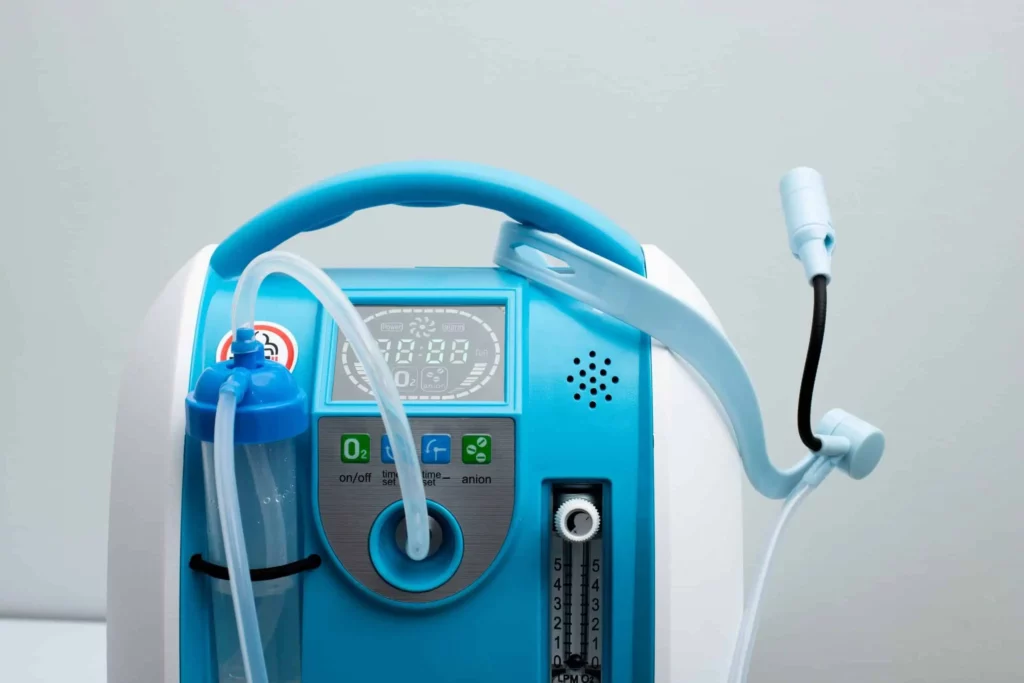
For active Melbourne residents, POCs allow for trips to the MCG, walks in the Royal Botanic Gardens, or air travel.
- Delivery Method: Most use “Pulse Dose” (delivering oxygen only when you inhale).
- Weight: Often between 1.5kg and 3kg.
- Advantage: Battery-operated and FAA-approved for flights.
| Feature | Stationary Units | Portable Units (POC) |
| Weight | 14kg – 25kg | 1.5kg – 8kg |
| Power Source | AC Wall Outlet | Battery & AC/DC |
| Oxygen Flow | Continuous | Mostly Pulse Dose |
| Portability | Wheels (Room to room) | Shoulder bag/Backpack |
Benefits of Using an Oxygen Concentrator
Transitioning to a concentrator offers significant lifestyle and clinical advantages over traditional cylinders.
- Consistency: You never “run out” of oxygen, reducing the anxiety associated with empty tanks.
- Cost-Efficiency: While the initial investment is higher, you eliminate the ongoing costs of tank refills and deliveries.
- Safety: Storing high-pressure oxygen tanks at home carries fire and explosion risks; concentrators are significantly safer for home environments.
- Enhanced Mobility: Lightweight POCs allow patients to maintain social connections and physical activity, which is vital for mental health.
How to Choose the Right Unit for the Australian Climate
Melbourne’s weather can be unpredictable, with high humidity in summer and cold, dry winters. These factors can affect both the machine and your airways.
Step 1: Check the Prescription
You must have a prescription that specifies the required flow rate. Never adjust your oxygen levels without consulting a specialist.
Step 2: Consider Noise Levels
In a quiet home in the Melbourne suburbs, a loud compressor can be disruptive. Look for units rated below 45 decibels (dB) for a peaceful environment.
Step 3: Humidification Needs
Continuous flow can dry out the nasal passages. Ensure your stationary oxygen concentrator is compatible with a humidifier bottle to add moisture to the air.
Best Practices for Maintenance and Longevity
To ensure your device passes Australian safety standards and functions efficiently, follow these expert tips:
- Filter Cleaning: Wash the external particle filter once a week with warm soapy water.
- Ventilation: Keep the unit at least 30cm away from walls or curtains to prevent overheating.
- Battery Care: For portable units, cycle the battery (charge/discharge) at least once a month to maintain cell health.
- Tubing Replacement: Replace your nasal cannula every 2–4 weeks to prevent bacteria buildup and ensure optimal flow.
Common Mistakes to Avoid
- Using Extension Cords: Concentrators draw significant power. Plugging them into a power board or extension cord can be a fire hazard. Use a direct wall socket.
- Smoking or Open Flames: Medical oxygen makes materials highly flammable. Never smoke within 3 metres of your device.
- Buying Second-Hand Without Testing: Ensure any used device has been serviced by a technician and the “sieve beds” (the part that filters nitrogen) are still effective.
FAQ: Oxygen Therapy in Melbourne
Do I need a prescription for an oxygen concentrator in Australia?
Yes. Oxygen is considered a medication. A prescription ensures you receive the correct flow rate to prevent oxygen toxicity or under-oxygenation.
Can I take my portable oxygen concentrator on a flight?
Most modern POCs are FAA and CASA (Civil Aviation Safety Authority) approved. You must notify your airline 48 hours in advance and ensure you have 150% of the battery life needed for your flight duration.
How much electricity does an oxygen concentrator use?
A standard home unit uses about the same energy as a small refrigerator. Many Australian patients may be eligible for the “Medical Cooling or Essential Medical Equipment” energy rebate.
What is the difference between Pulse Dose and Continuous Flow?
Pulse Dose delivers a “bolus” of oxygen only when you trigger a breath. Continuous Flow provides a steady stream regardless of your breathing pattern.
Where can I get my device serviced in Melbourne?
Look for accredited medical equipment providers in suburbs like Clayton, Preston, or Richmond that offer TGA-approved servicing.
Conclusion: Securing Your Respiratory Health
Investing in a high-quality oxygen concentrator is an investment in your independence. Whether you require a robust home unit for sleep or a lightweight portable device to enjoy Melbourne’s vibrant culture, understanding the technology and maintenance is key to long-term success.